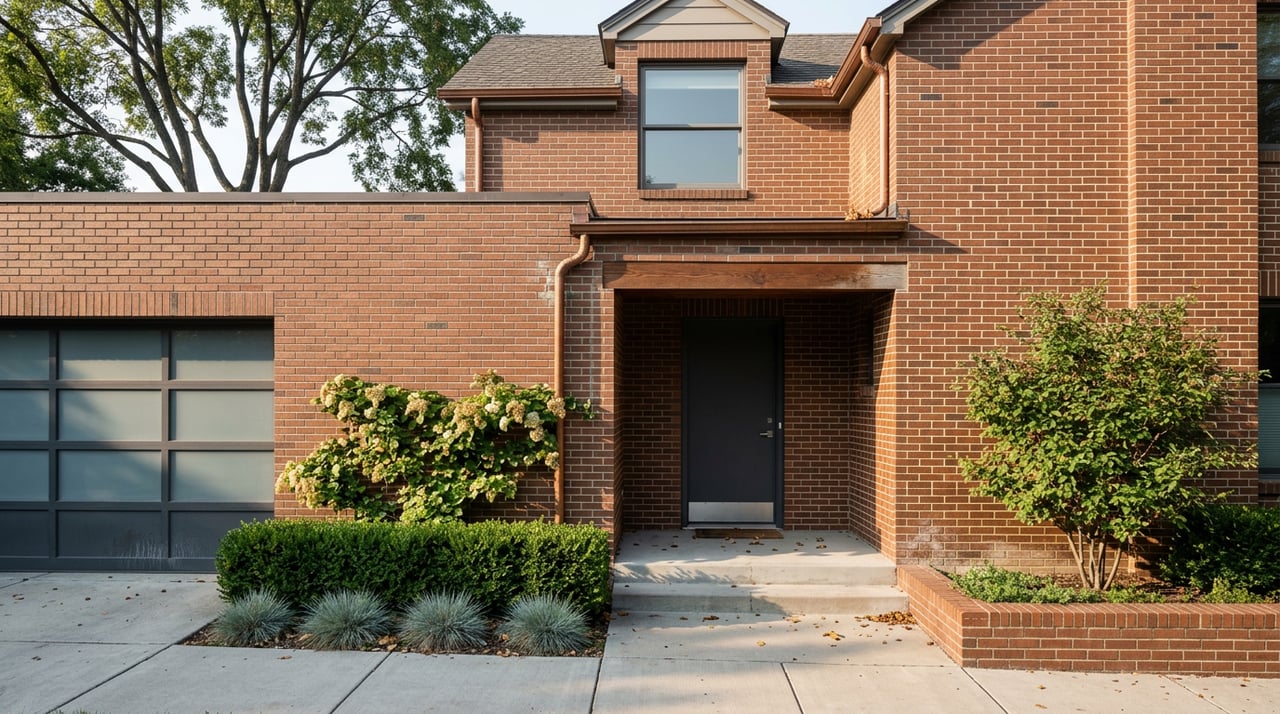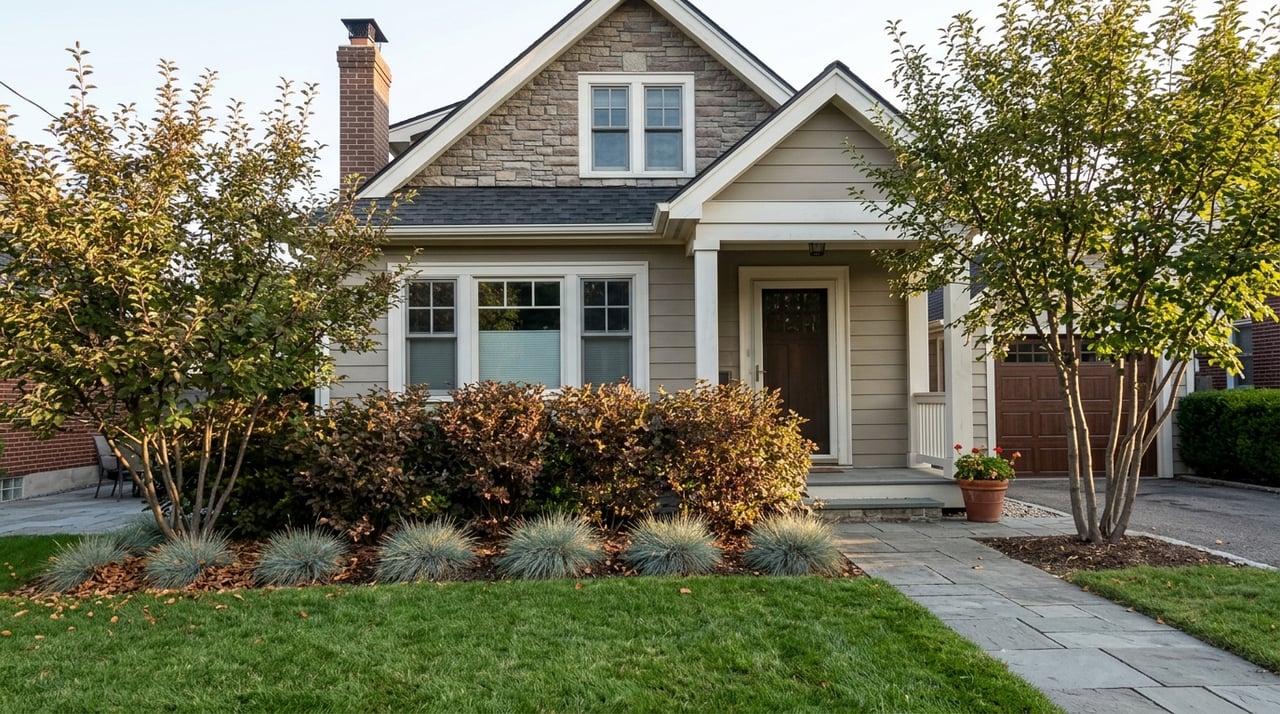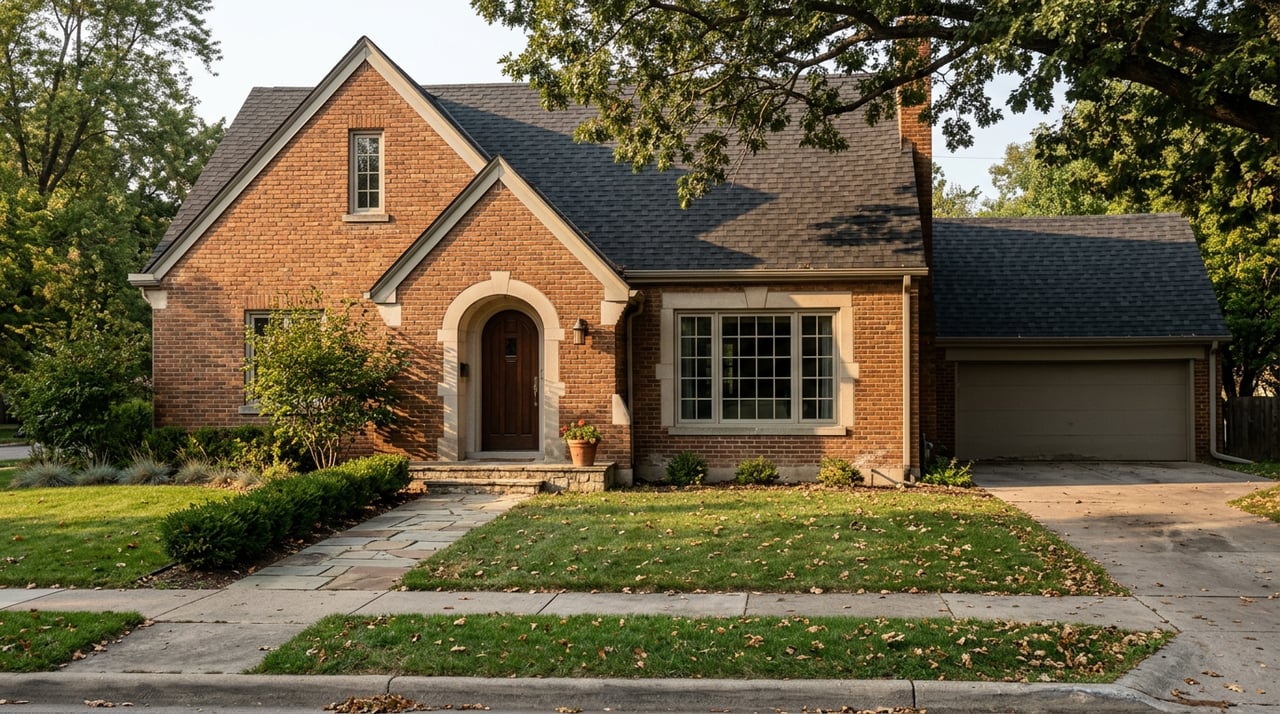
Picture two listings pulled up side by side. Same price, give or take a few thousand dollars. Similar square footage, similar year built, HOA dues on the spec sheet within ten dollars of each other. On paper, the comparison looks finished. It isn't. One of those homes sits inside a sub-association with private gating and snow removal. The other doesn't. And neither spec sheet mentions the number that has moved the most over the past two years: the portion of the property tax bill collected by the Highlands Ranch Metro District.
That's the piece almost nobody compares, because it doesn't live on the HOA disclosure at all. It lives on the county tax bill, arrives once a year, and has been climbing while the flat, easy-to-quote HRCA number is the one every listing sheet and buyer guide leads with.
Three Layers, One Bill You Actually Read
Highlands Ranch homeownership costs come stacked in three distinct layers, each billed by a different entity, each showing up on a different piece of paper.
| Layer | What It Funds | Who Bills It | Where You'll See It |
|---|---|---|---|
| HRCA master assessment | Four recreation centers, Backcountry Wilderness Area access, community events | Highlands Ranch Community Association | HOA disclosure, resale certificate |
| Sub-association dues | Neighborhood-specific services: private gating, snow removal, entry landscaping | Individual sub-HOA (varies by neighborhood) | HOA disclosure, resale certificate |
| Metro district mill levy | Roads, parks, open space, stormwater, debt service | Highlands Ranch Metro District | Douglas County property tax bill |
The first two layers are the ones buyers actually compare, because they're the ones printed on the documents an agent hands over during a showing. The third layer is arguably the most consequential and the easiest to miss, because it never appears on an HOA statement. It's a mill levy, and mill levies are set by a public board, published in public filings, and adjusted year to year based on the district's own budget decisions.
The Visible Number: HRCA Dues
Start with what's easy to find. For 2026, HRCA's total homeowner assessment runs $696 a year, billed as $174 per quarter, split into $16 for administrative functions and $158 for recreation. That figure buys access to all four recreation centers (Northridge, Eastridge, Southridge, and Westridge), each with its own mix of pools, fitness space, and specialty programming, plus access to the 8,200-acre Backcountry Wilderness Area. It's a flat, predictable number, and it's the one every third-party guide to Highlands Ranch quotes correctly, because HRCA publishes it directly.
Layer two, the sub-association, is where the first real variance shows up. Many Highlands Ranch neighborhoods, including Tresana and Backcountry, carry a separate sub-HOA on top of HRCA dues, typically running somewhere in the range of $25 to $160 a month depending on what that sub-association covers, whether that's private street maintenance, gated entry upkeep, or additional landscaping. Two homes with identical HRCA dues can carry very different total HOA costs once you add the sub-association line, and that difference is at least visible on the resale certificate before you write an offer.
The Number That Doesn't Show Up on the HOA Sheet
Here's where the comparison most buyers make falls apart. The Highlands Ranch Metro District, the local government entity that funds roads, parks, and stormwater infrastructure for the unincorporated community, collects its own separate mill levy through the Douglas County property tax bill. It is not part of HRCA. It is not part of any sub-association. It shows up nowhere on the documents that get compared during a showing.
In 2024, the district's board cut its mill levy to 10.110, a reduction from the prior five years' rate of 11.205, and that 2024 figure is still the number most Highlands Ranch buyer guides quote today as if it's current.
It isn't.
Public filings with the Colorado Special District Association show the Highlands Ranch Metro District's mill levy for collection year 2026 at 12.250, up from the 10.110 rate set for 2024 and closing in on the voter-authorized cap of 12.750.
That's not a modest drift. It's a rate that came back up past where it stood before the 2024 cut, and it's now within half a mill of the legal ceiling voters approved for the district. Anyone repeating the 2024 figure as the current rate is working from data that's roughly two years stale, in a market where that specific number moves.
What That Actually Costs, Using the District's Own Math
The Metro District's own 2024 announcement gave a concrete example: a property valued at $500,000 generated about $339 a year in metro district tax under the 10.110 mill rate. Apply the same relationship to the 2026 rate of 12.250 mills, an increase of roughly 21 percent over 10.110, and that same $500,000 assessed value now generates something closer to $410 a year in metro district tax, without the home's value moving at all.
Scale that up to where Highlands Ranch prices actually sit today. Recent 2026 data puts the market's median home value in a range from roughly $707,000 to $714,000, depending on the source and the exact window measured, with one mid-summer market report listing $775,000 as the current median list price for single-family homes as of the first week of August 2026. At those price points, the metro district's share of the tax bill scales with the rate increase the same way, which means the fastest-growing piece of carrying cost on a Highlands Ranch home right now isn't the HRCA line everyone quotes. It's the tax line almost nobody asks about until the first bill arrives.
Where the Stacking Compounds
This matters most at the top of the market. Backcountry, the community's gated luxury enclave with its own clubhouse and resort-style pool, carries higher sub-association dues than most of the rest of Highlands Ranch, on top of the same HRCA assessment and the same metro district mill levy that applies community-wide. A buyer comparing a Backcountry listing to a home in an older, unincorporated part of the community isn't just comparing two different sub-HOA dues structures. They're comparing two properties where the same rising mill levy applies proportionally to two very different assessed values, which widens the gap between what looks like a comparable monthly cost and what the actual annual bill turns out to be.
What to Pull Before You Write an Offer
A resale certificate will show current HRCA dues and any sub-association fees. It will not show you the current metro district mill levy, and it won't tell you whether that rate has moved since the certificate was prepared. Before removing contingencies on a Highlands Ranch home, it's worth doing three things separately from the standard HOA document review:
- Pull the parcel's current tax record directly through Douglas County to confirm which taxing districts apply and what the most recent certified mill levy actually is, rather than relying on a mill levy figure quoted in a blog post or listing description.
- Ask specifically whether the property sits in a sub-association, and if so, request that association's current dues and any recent or pending special assessments, since sub-association budgets are set independently of both HRCA and the metro district.
- Convert every recurring cost, HRCA dues, sub-association dues, and the metro district portion of the tax bill, to a single monthly figure before comparing two properties, since listing sheets rarely present all three side by side.
Frequently Asked Questions
Is the Highlands Ranch Metro District the same thing as HRCA? No. The Metro District is a local government entity that funds roads, parks, open space, and stormwater infrastructure through property tax mill levies. HRCA is a private, nonprofit homeowners association that operates the four recreation centers and community programming through separate flat assessments.
Do all Highlands Ranch homes have a sub-association in addition to HRCA? Not all of them, but many do. Coverage and dues vary by neighborhood, so this is something to confirm through the resale certificate and recorded governing documents for the specific address rather than assuming based on the broader community.
Can the metro district mill levy change again before I close? Mill levies are set annually by the district's board, typically through a public budget process each fall. Because the rate has moved twice in the past two years, first down in 2024 and then up for the 2026 collection year, it's worth confirming the current certified levy at the time of your transaction rather than relying on a figure quoted from a prior year.
If you're weighing a move to Highlands Ranch against another Denver-area suburb, or comparing two Highlands Ranch neighborhoods against each other, the conversation should start with the full carrying cost, not just the number on the listing sheet. Anne Dresser Kocur has spent more than three decades helping Denver-area buyers and relocating executives read past the surface numbers on a listing. Book an appointment to talk through what a specific Highlands Ranch address will actually cost you to own, layer by layer, before you write an offer.