If you want a central Denver address without giving up a quieter residential feel, Cory-Merrill deserves a close look. For many buyers, the challenge is finding a neighborhood that feels established and convenient without landing in the middle of constant activity. This guide will help you understand what Cory-Merrill looks like today, what kinds of homes you can expect, how pricing compares nearby, and whether the neighborhood fits the way you want to live. Let’s dive in.
Where Cory-Merrill Sits in Denver
Cory-Merrill is in south-central Denver, bordered by South University Boulevard on the west, East Mississippi and East Tennessee avenues on the north, South Colorado Boulevard on the east, and Interstate 25 on the south. The neighborhood association notes that the area includes more than 2,000 houses and sits near Bonnie Brae, Washington Park, and Belcaro.
That location gives you a useful mix of central access and neighborhood calm. Cory-Merrill is close to I-25 and the RTD light rail station at the University of Denver, which can make commuting and cross-town travel easier. At the same time, the area is often described as suburban-like in feel, with quiet residential streets and historic character that remains despite ongoing redevelopment.
What the Neighborhood Feels Like
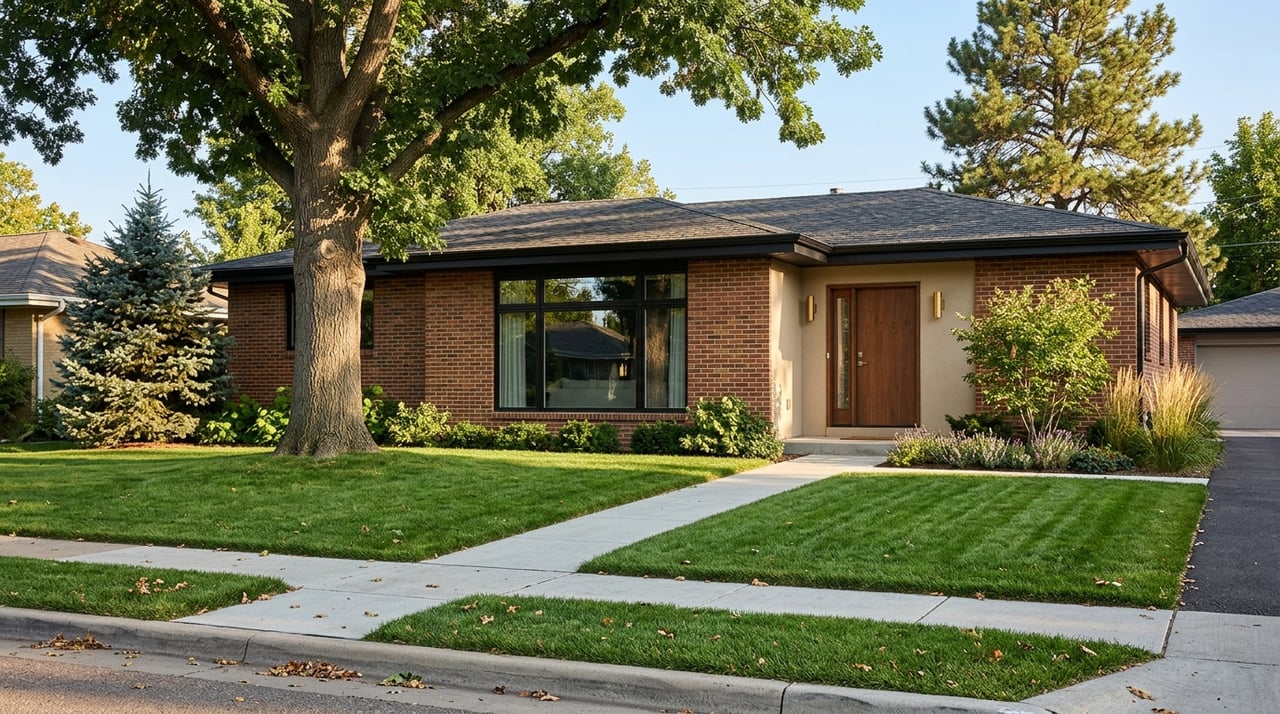
Cory-Merrill tends to feel more like a residential enclave than a dense urban district. You will likely notice mature landscaping, grassy lots, and blocks where original homes and newer construction sit side by side.
For buyers, that matters because it shapes daily life. You may get central Denver convenience, but you should not expect the same built-in retail or nightlife presence you would find in some other nearby neighborhoods. If you want a place that feels calmer and more home-focused, that trade-off may be a plus.
Homes You’ll See in Cory-Merrill
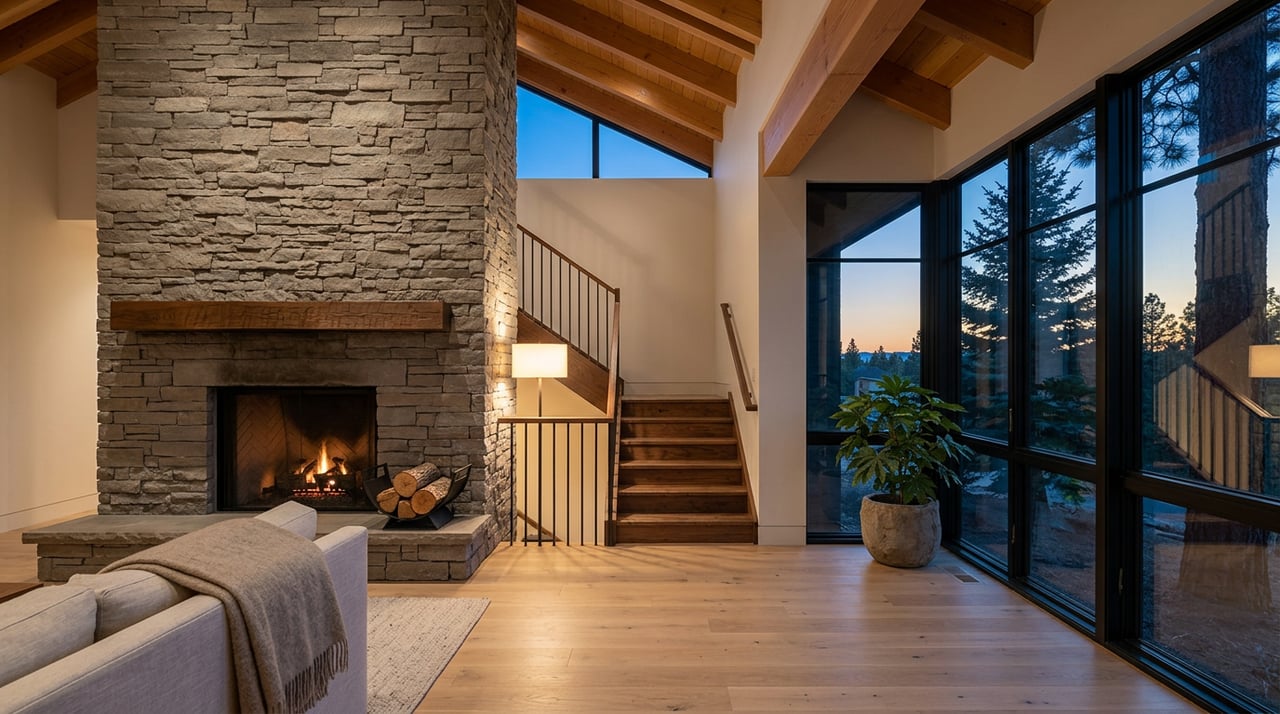
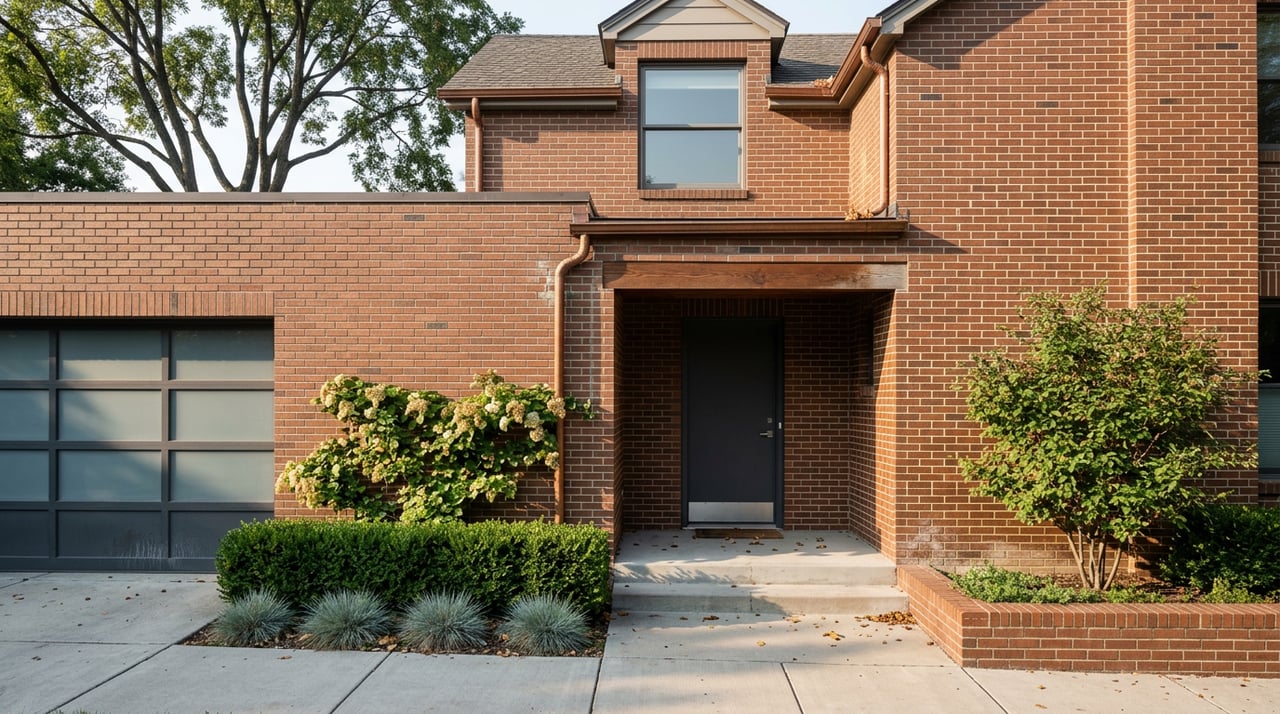
One of the biggest things to know about Cory-Merrill is that it is not a one-style neighborhood. Housing stock includes older post-World War II bungalows, brick ranches, and Tudors, along with newer custom and semi-custom homes.
Over time, many of the original smaller houses built in the postwar era have been replaced by larger contemporary homes. That means your search may include everything from a modest original property to a remodeled mid-size home to a newly built residence with significantly more square footage.
Homes.com public-record data gives a helpful snapshot of the neighborhood’s housing profile:
- Median year built: 1948
- Median lot size: 6,098 square feet
- Average single-family home size: 2,481 square feet
That mix can create a wide range in both style and pricing. In practical terms, you might tour a remodeled home listed around the high hundreds, then see large newer homes priced well into the multimillion-dollar range nearby.
Lot Sizes and Streetscape
Lot size is one reason Cory-Merrill stands out for many central Denver buyers. A median lot size of about 6,098 square feet gives you a useful benchmark, especially if you are comparing it with denser in-town options.
The neighborhood is also known for tree-lined streets and grassy lots. Many homes do not have HOA restrictions, and residents often use driveways or street parking. If you value a more traditional residential setting with a little breathing room, this part of Cory-Merrill may appeal to you.
Cory-Merrill Home Prices
Cory-Merrill sits in Denver’s premium price tier, though current data places it below some adjacent high-end neighborhoods. Realtor.com’s April 2026 snapshot shows a median listing price of $1.33 million and 26 homes for sale.
Redfin’s March 2026 data shows a median sale price of $1.225 million and median days on market of 14. Homes.com reports a similar median listing price of $1,262,500 and the same median sale price of $1,225,000. Taken together, those numbers suggest a market that is both upscale and competitive.
What Pricing Means for Buyers
The headline price only tells part of the story in Cory-Merrill. Because the housing stock is so varied, the neighborhood has a broad pricing range, from roughly $580,000 on the low end to nearly $3 million based on the Homes.com snapshot.
That spread reflects the difference between older original homes and much larger newer rebuilds. If you are shopping here, it helps to define early whether you want land value, a move-in-ready remodel, or a newer custom-style home. Those are very different searches, even when they happen on nearby blocks.
How Cory-Merrill Compares Nearby
For many buyers, the real question is not just whether Cory-Merrill is expensive. It is whether it offers the right value compared with nearby options.
Using the same Realtor.com market snapshot approach, Washington Park shows a median listing price of $2.0225 million and Bonnie Brae shows $1.88675 million. That puts Cory-Merrill below both neighborhoods on current listing data while still well above the broader Denver market.
In simple terms, Cory-Merrill is still a premium central Denver neighborhood. But if you want to stay close to some of Denver’s most established areas without stepping up to Washington Park or Bonnie Brae pricing, Cory-Merrill may offer a more accessible entry point.
Lifestyle Trade-Offs to Know
Every neighborhood comes with trade-offs, and Cory-Merrill is no exception. Its biggest strength is the combination of central location and quieter residential streets. Its biggest compromise is that it does not offer the same level of built-in commercial energy as Washington Park or Bonnie Brae.
Residents often head to Old South Gaylord Street for dining and boutiques, while Colorado Boulevard offers convenient retail and grocery access. Nightlife is not a major part of Cory-Merrill’s identity. If you want a highly active, amenity-rich street scene right outside your door, you may prefer another neighborhood.
Cory-Merrill vs. Washington Park
Washington Park is often the first comparison buyers make. Visit Denver describes it as a 155-acre park with two lakes, flower gardens, tree-lined paths, and active recreation, with nearby dining and shopping around Historic South Gaylord and South Pearl Street.
That makes Washington Park a stronger fit if you want a more park-centered lifestyle with more surrounding activity. Cory-Merrill, by contrast, is the quieter option. You may still enjoy close access to nearby destinations, but the neighborhood itself feels more subdued and residential.
Cory-Merrill vs. Bonnie Brae
Bonnie Brae offers a different kind of appeal. According to the Bonnie Brae Neighborhood Association, it has about 650 residences, winding tree-lined streets centered around Bonnie Brae Park, and a small commercial strip along University Boulevard.
Compared with Bonnie Brae, Cory-Merrill feels less village-like and more broadly residential. It is larger, more varied in housing stock, and often better suited to buyers who want central access and a neighborhood feel without needing a compact commercial core.
Who Cory-Merrill May Fit Best
Cory-Merrill may be a strong fit if you want:
- A central Denver location with easier access to I-25
- A quieter residential setting
- Larger lots than some denser urban neighborhoods
- A mix of original homes, remodels, and new construction
- Premium positioning that still tends to price below Washington Park and Bonnie Brae
It may be less ideal if your top priority is a highly walkable lifestyle with lots of restaurants, boutiques, and nightlife inside the neighborhood itself.
Smart Questions to Ask Before You Buy
Because Cory-Merrill has so much variety, it helps to evaluate each home in context. Two houses with similar addresses may offer very different value depending on lot size, age, renovation level, and surrounding housing mix.
As you narrow your search, consider asking:
- Are you buying for the existing home, the lot, or both?
- How important is newer construction versus original character?
- How much do nearby retail and dining options matter in your daily routine?
- Are you comfortable in a neighborhood where redevelopment may still be visible from block to block?
- Do you want to be closer to Washington Park amenities without paying Washington Park pricing?
These questions can help you focus on fit, not just price point.
Why Local Guidance Matters Here
Cory-Merrill is one of those neighborhoods where broad market averages only go so far. The range of home styles, sizes, and values means buyers often need block-by-block perspective to understand what is typical, what is priced well, and where a property sits within the neighborhood’s broader pattern.
That is especially true if you are relocating, moving up, or considering newer construction. Having a trusted local advisor can help you compare trade-offs, move quickly when needed, and choose the right home for your goals, not just the right ZIP code.
If you are considering a move to Cory-Merrill or comparing it with Washington Park, Bonnie Brae, or other central Denver neighborhoods, Anne Dresser Kocur can help you evaluate the market with clarity and confidence.
FAQs
What types of homes are common in Cory-Merrill for Denver homebuyers?
- Cory-Merrill includes post-World War II bungalows, brick ranches, Tudors, remodeled homes, and newer custom or semi-custom construction.
What is the typical lot size in Cory-Merrill, Denver?
- A useful public-record benchmark is a median lot size of 6,098 square feet.
What are Cory-Merrill home prices like compared with nearby Denver neighborhoods?
- Current listing snapshots place Cory-Merrill below Washington Park and Bonnie Brae, while still firmly in Denver’s premium price segment.
Is Cory-Merrill walkable for Denver buyers?
- Cory-Merrill has access to nearby retail corridors and destinations, but its overall feel is quieter and more car-oriented than Washington Park or Bonnie Brae.
Is Cory-Merrill a competitive Denver real estate market?
- Yes. Redfin’s March 2026 snapshot shows a median sale price of $1.225 million and median days on market of 14, which points to a competitive market.
What makes Cory-Merrill appealing for relocation buyers in Denver?
- Many buyers are drawn to its central location, access to I-25 and the University of Denver light rail station, quieter streets, and mix of housing options.