Is Central Park The Right Denver Neighborhood For You?
June 4, 2026
June 4, 2026
June 4, 2026
Wondering whether Central Park fits the way you actually want to live in Denver? That is a smart question, especially in a neighborhood this large, this planned, and this varied from one area to the next. If you are weighing a move, relocating from out of town, or comparing Central Park to older Denver neighborhoods, this guide will help you understand what stands out, what to watch for, and who tends to feel most at home here. Let’s dive in.
Central Park is one of Denver’s newest and largest neighborhoods, built on the former Stapleton airport site. According to the Denver Public Library, the last flights at Stapleton took place on February 27, 1995, and Denver International Airport opened the next day.
The neighborhood was planned as a large-scale redevelopment with a strong New Urbanist approach. In practical terms, that means walkability, a mix of home types and everyday uses, neighborhood parks and greenways, and design features like front porches and alley-loaded garages.
It also has an unusually large open-space footprint for an in-city neighborhood. The Denver Public Library says 1,100 of the site’s 4,700 acres were dedicated to parks and open space, which helps explain why the area feels so structured around outdoor living.
The neighborhood name changed from Stapleton to Central Park in the early 2020s. For most buyers today, the bigger takeaway is not the timing of the rename but the fact that this is a newer community with a very intentional layout and identity.
If you prefer neighborhoods that feel organized, connected, and amenity-rich, Central Park may stand out right away. It was built with parks, trails, town centers, and residential areas working together rather than evolving in a piecemeal way over decades.
That can be a major plus if you want a neighborhood where daily errands, outdoor time, and social spaces feel easy to access. It can be less appealing if you are drawn to the irregular blocks, older architecture, and more organic street patterns found in some of Denver’s older neighborhoods.
This is also a neighborhood where block-by-block differences matter. Central Park includes 12 neighborhoods with distinct character, and the north side tends to be closer to Northfield and Rocky Mountain Arsenal, while the south side is closer to Westerly Creek and Bluff Lake.
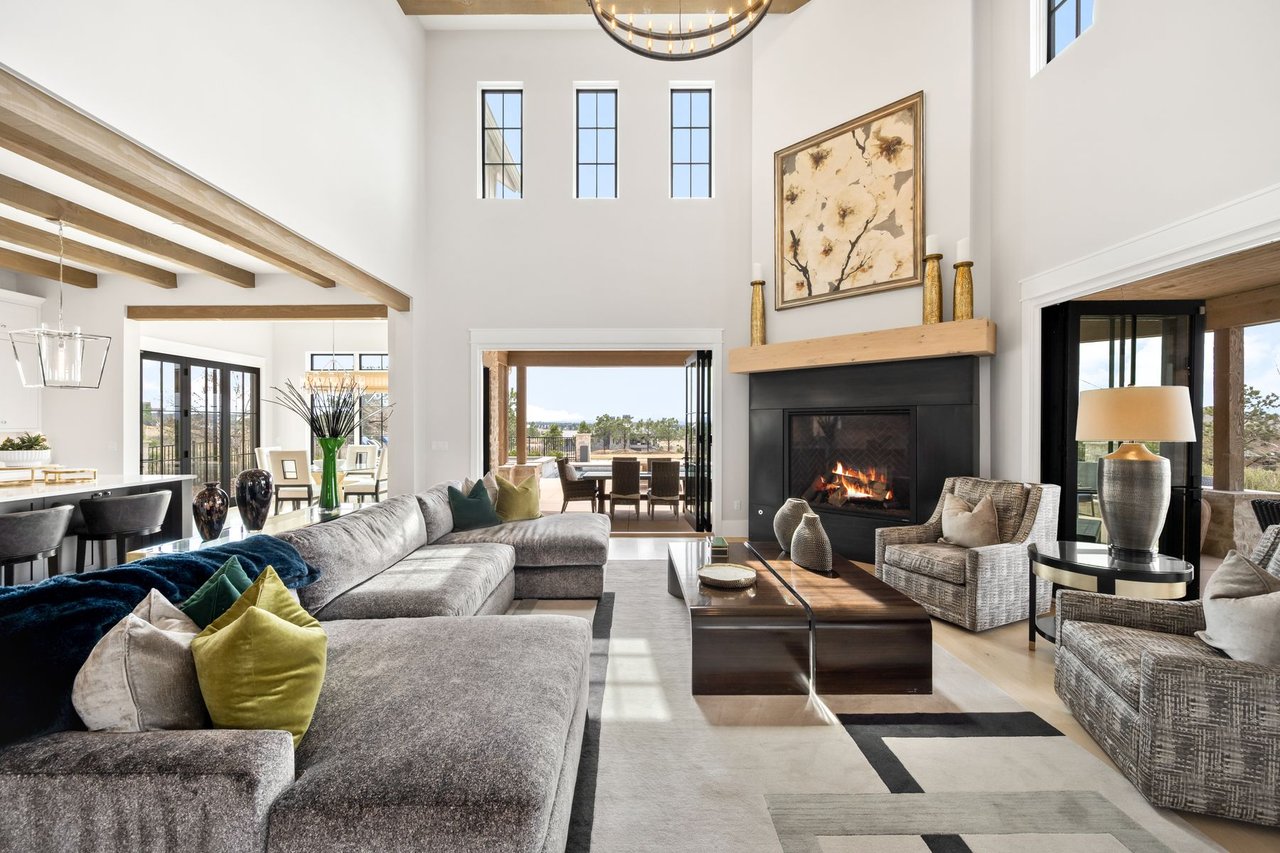
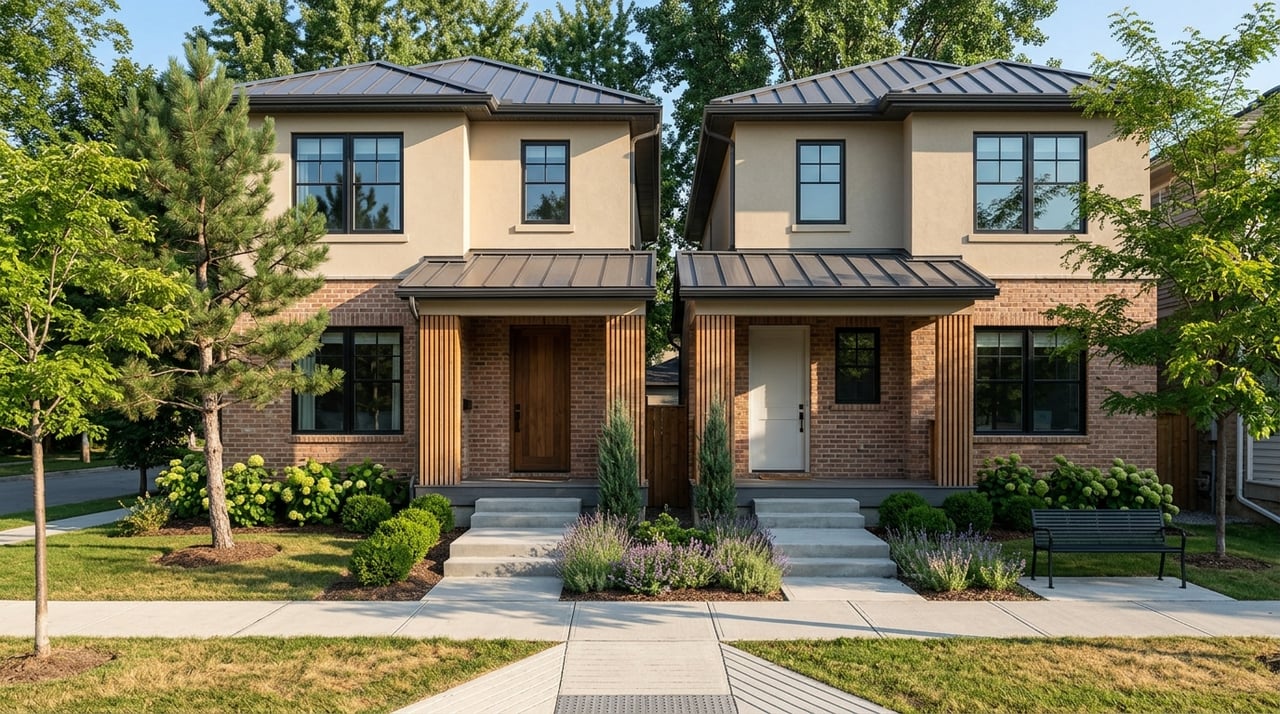
One reason Central Park attracts such a wide range of buyers is its variety of housing. The neighborhood includes luxury townhomes, new condominiums, townhomes, cottage-style single-family homes, and affordable homes.
Even though Central Park is in its final chapter of development, it is not fully finished. Brand-new homes are still available, which can matter if you want newer systems, more current floor plans, or the chance to buy in an area that is still adding inventory.
For example, Contour Townhomes at East 47th and Beeler are described as 2- and 3-bedroom homes with 2.5 baths, studies, and optional rooftop decks, with models opening in early 2026 and prices starting in the $600s. That gives you a sense of the newer product still coming online.
Central Park also includes housing priced in the affordable range. The developer says 10% of for-sale homes and 20% of for-lease homes are in the affordable range, and the City of Denver reported in April 2023 that two apartment communities added 217 affordable rentals, bringing the neighborhood to nearly 1,000 affordable units overall.
There are also options for age 55+ households. Taken together, that mix supports a broader set of lifestyle needs than you might find in a neighborhood with a narrower housing stock.
Outdoor access is one of Central Park’s strongest selling points. The community association maintains public pools, town centers, trails, parks, and events, and the neighborhood has a reputation for making recreation part of daily life rather than a special trip.
Brookfield Residential says almost every home is within a five-minute walk of a park and highlights 60 parks, 7 pools, and 62 miles of trails. Visit Denver cites 46 miles of urban trails in the broader area, along with neighborhood pools and a skate park.
Central Park itself is a major asset. The Denver Public Library says it spans 80 acres and is the third-largest park in Denver.
You also have access to nearby nature-oriented spaces. Bluff Lake Nature Center describes itself as Denver’s largest open space managed as native habitat and is open from sunrise to sunset, while the broader area connects to the 17,000-acre Rocky Mountain Arsenal National Wildlife Refuge.
If outdoor time is a priority, this neighborhood gives you more built-in options than many in-city locations. That can be especially appealing if you want recreation close to home without sacrificing city access.
Central Park is not just residential. It has several practical commercial nodes that help support day-to-day life.
The main centers include East 29th Avenue Town Center, Eastbridge Town Center, The Shops at Northfield, and nearby Stanley Marketplace. Eastbridge includes restaurants, shops, salon services, and fitness studios serving the neighborhood.
The Shops at Northfield is especially significant in scale. It is described as a 1.2 million-square-foot open-air lifestyle and entertainment center at Interstate 70 and Central Park Boulevard.
Stanley Marketplace, located nearby in Aurora, describes itself as a 50-plus-business marketplace just minutes from downtown Denver. For buyers comparing convenience across neighborhoods, this mix of local and larger-format retail is part of what makes Central Park feel self-contained.
For many buyers, especially relocators, location is not just about charm. It is about how easily you can get around.
Central Park has strong east-side transportation access. The I-70 and Central Park Boulevard interchange includes direct access between the Central Park area and the I-70 and I-270 system, which supports regional movement by car.
Public transit is also part of the picture. RTD says the A Line includes Central Park Station among its eight stations, and the 23-mile trip between Union Station and Denver International Airport takes about 37 minutes. RTD also lists Route 88 service for the Central Park and 72nd Ave Station area.
For a simple driving shorthand, the developer describes the neighborhood as about 20 minutes from downtown Denver and Denver International Airport, traffic permitting. If you travel often or need a manageable airport run, that can be a meaningful advantage.
Central Park is often a strong fit if you want newer construction, a planned neighborhood structure, and easy access to parks, trails, and town centers. It can also make sense if you want to narrow your search to an area with a wide mix of home types and still-available new homes.
It is especially worth considering if you are relocating and want a neighborhood that is easier to understand from a distance. The planning, amenities, and transportation access can make it simpler to evaluate than older neighborhoods where the experience can shift quickly from one block to another.
You may also appreciate Central Park if airport access matters, if you want a more turnkey home, or if nearby retail and recreation are important to your routine. Buyers who like a polished, master-planned feel often respond well to what this neighborhood offers.
Central Park will not be the right answer for everyone. If you are drawn to historic housing stock, older trees, or street patterns that feel less planned and more organically developed, you may prefer another part of Denver.
The same goes if your ideal home search centers on the character and architectural texture that typically comes with older in-city neighborhoods. Central Park generally feels newer, more structured, and more programmed.
That is not a downside or an upside on its own. It simply means your best fit depends on what kind of daily environment feels most natural to you.
Before you commit to Central Park, it helps to narrow in on how you want to live rather than just whether the neighborhood looks appealing online. A few questions can clarify the fit quickly.
For many buyers, the answer is not simply whether Central Park is a good neighborhood. It is whether the right pocket of Central Park matches your lifestyle, budget, and commute needs.
If you are buying from out of state or balancing several Denver neighborhoods at once, that nuance matters. In a community this large, local guidance can save you a lot of time.
If you are thinking about a move to Central Park or comparing it with other Denver neighborhoods, Anne Dresser Kocur offers experienced, high-touch guidance to help you evaluate location, home options, and overall fit with confidence.

Where to Play Near Home, From Championship Private Clubs to a Historic Public Course.
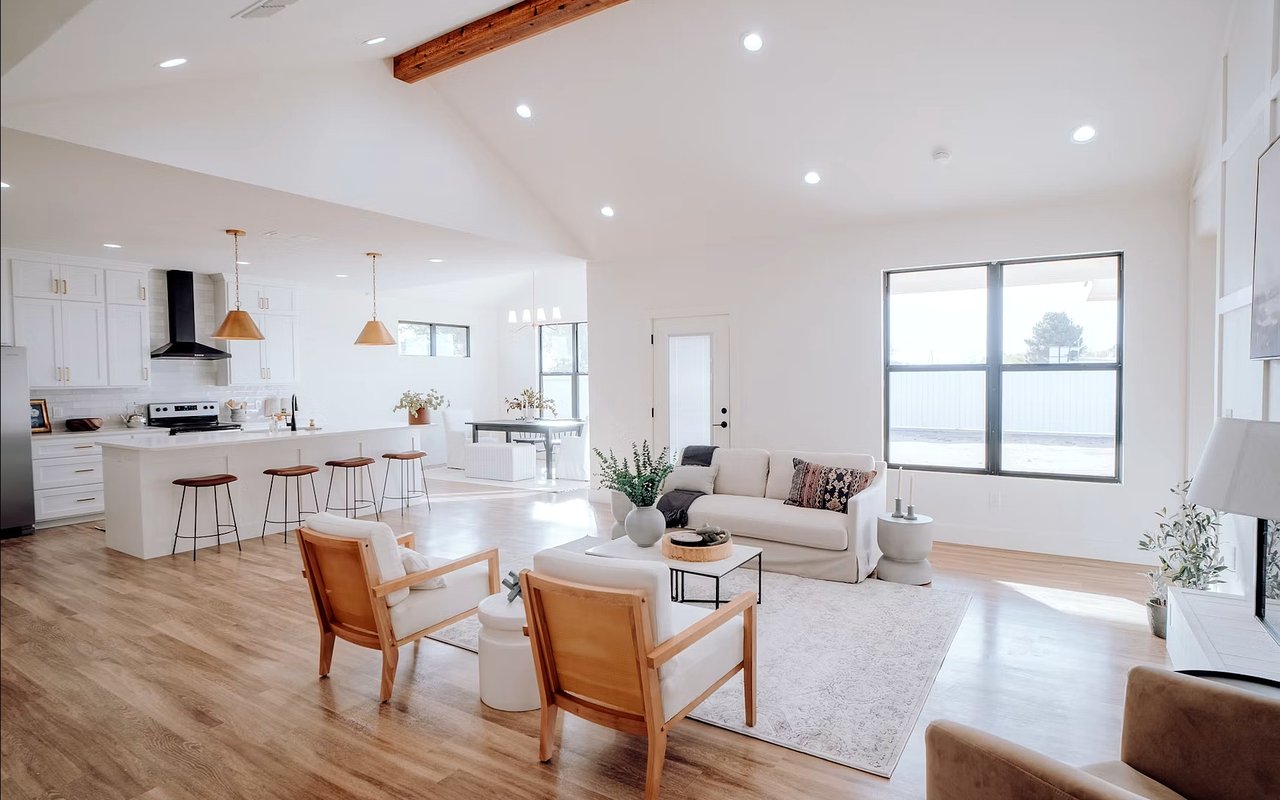
A Practical Guide to Presenting Your Property at Its Best, From The Preserve to Polo Reserve.

Where I Send Clients for Fine Dining, Elegant Shopping, and Fresh Air Near Belleview Station.

A Denver Agent's Checklist for What Actually Matters When You Walk Through a Home.
Whether you're thinking about buying, selling, relocating, or simply want to understand today's market, Anne would love to hear from you.