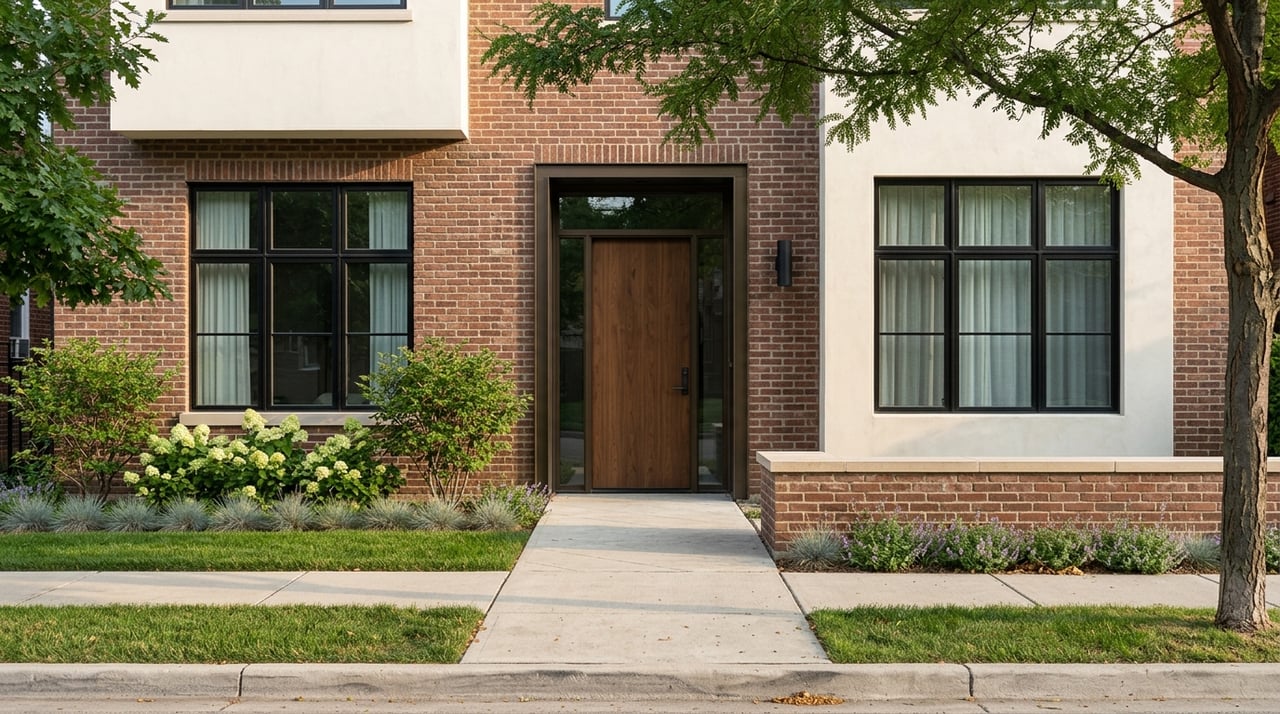
If you have ever wondered how a former air base became one of Denver’s most distinctive planned neighborhoods, Lowry is worth a closer look. For many buyers, it offers an appealing mix of history, housing variety, open space, and everyday convenience without feeling overly busy. If you are considering a move in Denver or simply want to understand what makes Lowry unique, this guide will walk you through the neighborhood’s story, layout, lifestyle, and home options. Let’s dive in.
Lowry’s History Still Shapes It
Lowry began as the Francis B. Lowry Airfield in 1937 and later became Lowry Air Force Base. The base closed in 1994 after decades of military use and, according to The Lowry Foundation, had graduated more than 1.1 million students during its history.
The neighborhood you see today grew from a redevelopment plan adopted in 1995. That plan transformed the former base into a mixed-use community with residential streets, office and commercial areas, open space, and tree-lined boulevards. The Denver Urban Renewal Authority describes Lowry as one of the earliest and most successful base-closure reuse efforts.
You can still see pieces of that history throughout the area. Former hangars now house Wings Over the Rockies Air & Space Museum and the Big Bear Ice Arena, while the Eisenhower Chapel remains a preserved landmark and home to The Lowry Foundation. The Steam Plant also found new life as the Steam Plant Lofts, which adds to the neighborhood’s distinct architectural character.
Lowry Feels Planned and Livable
One of the first things many people notice about Lowry is how intentional it feels. Official design guidelines describe a neighborhood built around walkability, street engagement, and a traditional neighborhood development approach. Features like front porches, residential streets, and mixed-use activity areas all support that design.
That planning creates a day-to-day rhythm that feels residential but connected. Most of Lowry’s streets are public streets maintained by Denver, and the neighborhood layout blends homes, parks, retail, and community spaces in a way that helps daily errands and outings feel manageable.
It is fair to say Lowry tends to feel more calm than high-energy. Planning documents and community materials point to an orderly, walkable environment rather than a dense urban setting. At the same time, regular events and neighborhood amenities keep it from feeling sleepy or isolated.
Walkability Centers on Town Center
If you are asking whether Lowry is walkable, the short answer is yes, especially around its core activity areas. The neighborhood’s own materials note that grocery shopping, boutique clothing, and other day-to-day retail are within easy walking distance in parts of the community.
The Town Center is a big part of that appeal. A ULI case study describes it as a pedestrian-friendly district with about 500 residential units along with parks, recreational uses, office space, retail, a museum, and other everyday amenities. That mix helps create a neighborhood where you can stay local for a surprising amount of your routine.
Public transit also supports mobility within and beyond the area. Official neighborhood transportation information lists bus lines 6, 73, and 10 serving Lowry. For buyers who want neighborhood convenience without relying on a highly dense downtown setting, that combination can be especially appealing.
Parks Are a Major Part of Life Here
Lowry stands out for its amount of green space. Official neighborhood sources describe roughly 800 acres of parks and open space, which they note is about 20% of Denver’s park acreage. That is a remarkable amount of outdoor space woven into one community.
The park system includes neighborhood parks, regional parks, a sports complex, trails, a golf course, natural reserve areas, picnic-oriented green space, a dog park, an ice arena, and a recreation center. This gives the neighborhood a strong outdoor backbone and makes it easier to build recreation into everyday life.
The landscaping also has a distinctly Colorado feel. According to the neighborhood recreation page, about 35% of the acreage is devoted to native plants and grasses, while less than half is sod. That balance helps shape a landscape that feels adapted to the local environment rather than overly formal or heavily manicured.
Some spaces are public, and some are resident-oriented. LCMA-owned parks are open daily from 6 a.m. to 10 p.m. for residents and guests, while City of Denver parks in Lowry can be reserved through Denver Parks and Recreation. For buyers, this is helpful context because it explains why some green spaces may feel more like neighborhood commons than destination city parks.
Public Art and Landmarks Add Character
Lowry is not just about homes and parks. The neighborhood also includes a visible network of public art and preserved historic structures that add personality to the area.
The Reading Garden at 5th and Trenton offers a quieter, contemplative setting and received a Mayor’s Design Award in 2009. The Eisenhower Chapel continues to serve as both a historic landmark and a community venue, which gives Lowry an added civic presence.
Official sources vary on the exact number of art pieces, but they consistently describe Lowry as having art integrated into public places. In practical terms, that means you will notice thoughtful touches throughout the neighborhood rather than a purely residential landscape.
Housing Options Are Surprisingly Varied
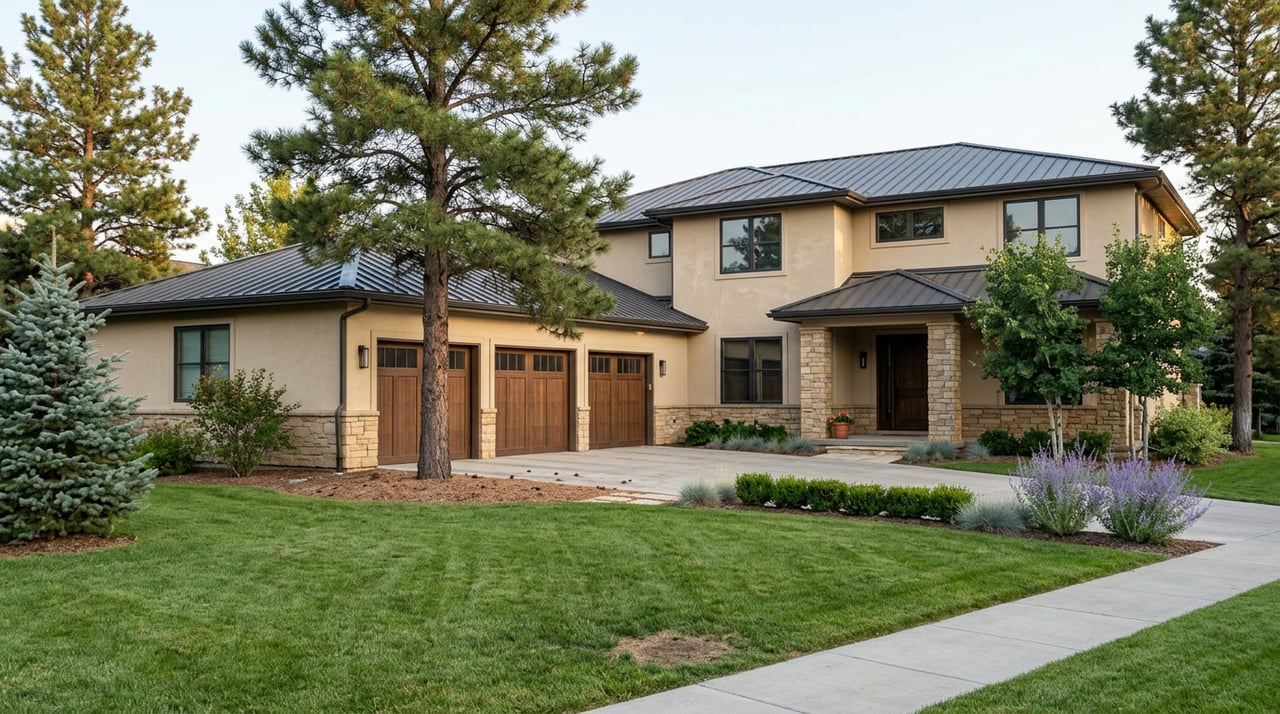
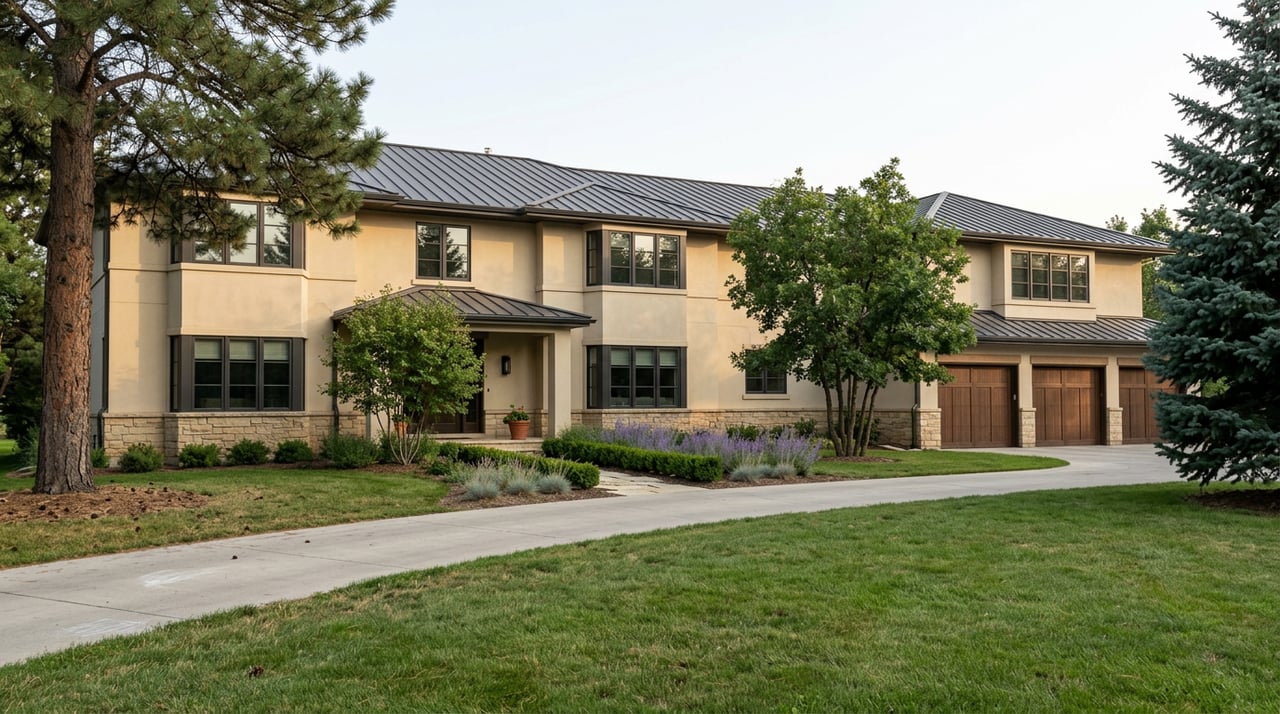
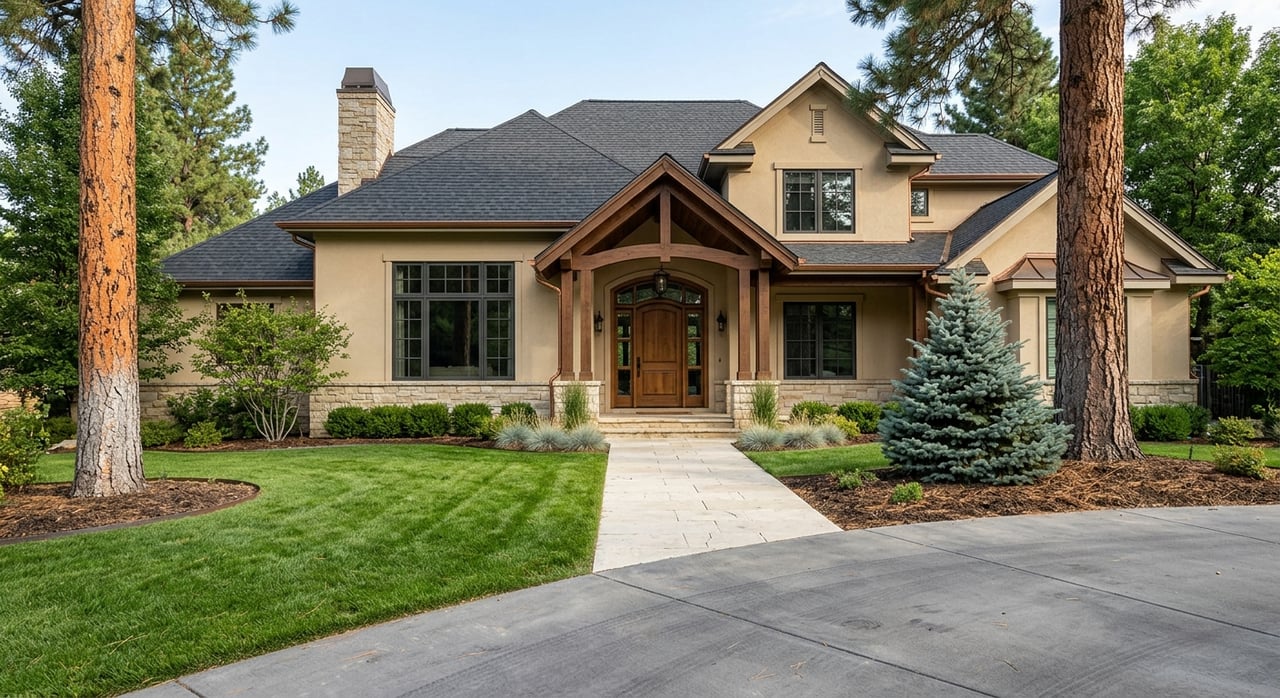
Lowry is not a one-home-type neighborhood. Official materials describe nearly 3,000 homes in the area, including single-family homes, duplexes, condos, and apartments. That variety is one reason the neighborhood appeals to a broad range of buyers.
Boulevard One expanded that mix even further by adding more single-family homes, townhomes, duplexes, apartments, retail, and commercial sites. The result is a neighborhood with different housing formats and price points, as well as different ownership and lifestyle options.
Redevelopment history also contributes to the variety. A ULI case study notes that parts of Lowry include custom and production single-family homes, townhouses, duplexes, and renovated military townhomes, while former base buildings were adapted into lofts and apartments. If you like neighborhoods with architectural range but still want an overall cohesive look, Lowry offers that balance.
What Lowry May Feel Like Day to Day
For many buyers, the biggest question is less about planning documents and more about lived experience. What does Lowry actually feel like on a typical day?
Based on the neighborhood’s official materials, Lowry appears to function as a walkable, neighborhood-scaled community with enough amenities to support daily life close to home. Community calendars show recurring board meetings, a yard sale weekend, summer park music, and a free family concert in the park, all of which point to a neighborhood with regular local activity.
At the same time, the design emphasis on residential streets, open space, and managed mixed-use nodes suggests a setting that is more measured than fast-paced. For many Denver-area buyers, that can be a very attractive middle ground. You get convenience and activity, but in a format that still feels organized and residential.
Why Lowry Appeals to Denver Buyers
Lowry often appeals to buyers who want more than just a house. They may be looking for a neighborhood with a clear identity, a mix of home styles, practical walkability, and meaningful outdoor access.
Its history gives it a sense of place that newer communities sometimes lack. Its park system adds breathing room, while the Town Center and bus service support daily convenience. And because the housing stock includes detached homes, attached homes, lofts, condos, and apartments, Lowry gives buyers options as their needs and lifestyle change.
For relocation buyers in particular, Lowry can be compelling because it offers a planned community feel within Denver. If you are moving from out of state or comparing several neighborhoods at once, understanding how Lowry blends history, open space, and mixed-use planning can help you quickly decide whether it belongs on your shortlist.
If you are exploring Denver neighborhoods and want thoughtful guidance on where Lowry fits into your search, Anne Dresser Kocur can help you evaluate your options with clarity and confidence.
FAQs
What is the history of Lowry in Denver?
- Lowry began as Francis B. Lowry Airfield in 1937, later became Lowry Air Force Base, closed in 1994, and was redeveloped under a 1995 plan into a mixed-use community.
Is Lowry a walkable neighborhood in Denver?
- Yes. Official design guidelines describe Lowry as intentionally walkable, especially around the Town Center, parks, and mixed-use areas.
What types of homes are in Lowry?
- Lowry includes nearly 3,000 homes with a mix of single-family homes, townhomes, duplexes, condos, apartments, lofts, and renovated military-era housing.
Does Lowry have a lot of parks and open space?
- Yes. Official neighborhood sources describe roughly 800 acres of parks and open space, including trails, sports areas, natural spaces, and resident-oriented green spaces.
What makes Lowry different from other Denver neighborhoods?
- Lowry stands out for its former air base history, adaptive reuse of military buildings, large park system, public art, planned walkability, and broad mix of housing types.