By Anne Dresser Kocur
Square footage is the number every buyer asks about first, and I understand why. It's easy to compare, easy to put in a search filter, and easy to talk about over dinner. But after years of walking Denver-area buyers through hundreds of homes, I can tell you the number on the listing rarely predicts how a home will actually feel to live in.
I've watched clients fall for a smaller home with better light and walk away from a larger one that never quite worked for their daily routine. This checklist covers what I actually point out on a showing, the details that matter more than the total on the listing sheet.
Key Takeaways
- Layout and flow determine how a home lives day to day, often more than total size.
- Natural light, window placement, and orientation affect both comfort and long-term appeal.
- The square footage on a listing may not include a finished basement or may count space that isn't usable, so it's worth understanding what's behind the number.
- Roof age, mechanical systems, and radon status are practical, Colorado-specific items worth checking early.
- Storage, outdoor space, and HOA details shape everyday life as much as any single room does.
How the Layout Actually Lives
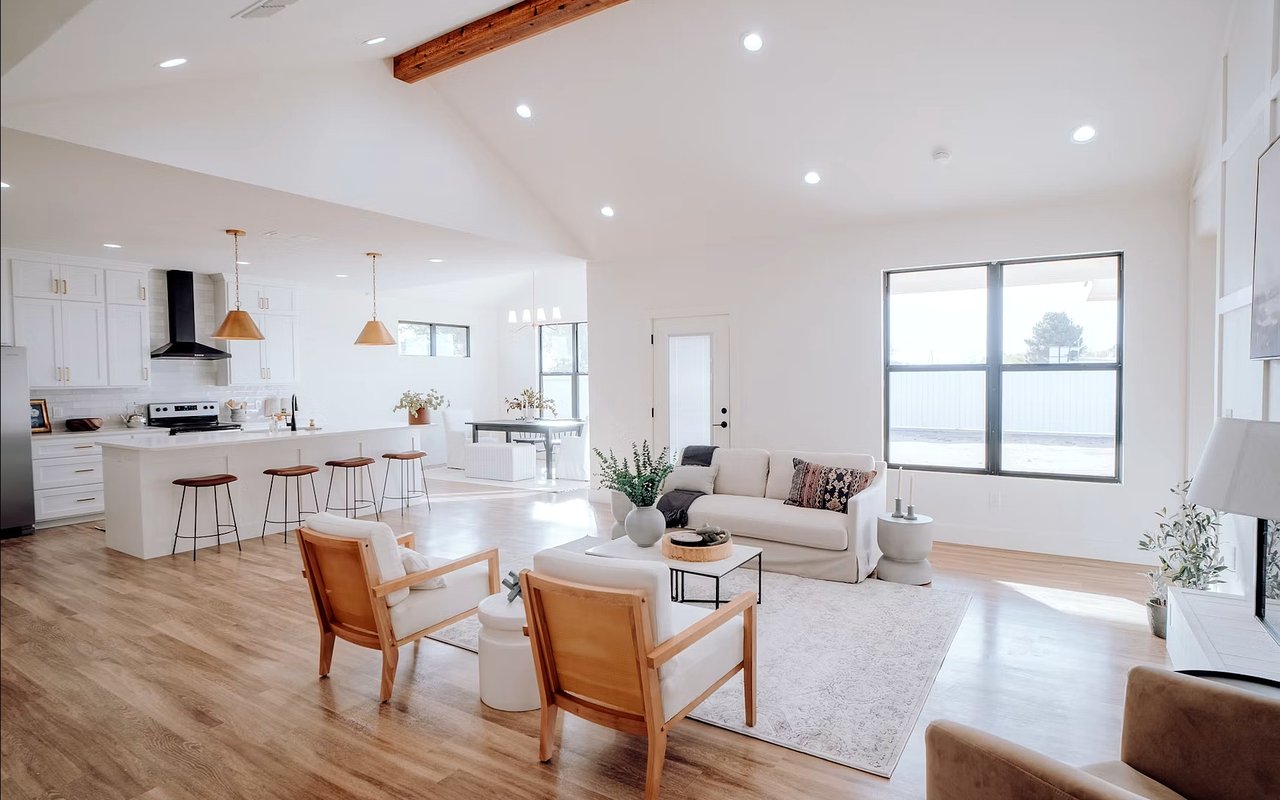
I always ask clients to walk a home the way they'd actually use it, not just tour it room by room. A home can list at 2,400 square feet and still feel cramped if the layout fights against daily movement.
- Notice how the kitchen connects to the dining and living areas, and whether that flow matches how you actually cook and gather.
- Pay attention to hallway and doorway placement, since awkward transitions eat up usable space without adding function.
- Walk the path from the garage or entry to the kitchen, since that's a route you'll take daily.
- Check whether bedrooms are grouped together or split across the home, which matters differently depending on your household.
- Picture your furniture in each room rather than judging it empty, since scale reads differently once a room is furnished.
Light, Orientation, and Views
Denver gets a lot of sunshine, and that light exposure genuinely changes how a home feels through the seasons. I walk clients through at different times of day when I can, because a home that looks dim at 10 a.m. can feel different by late afternoon.
- Note which direction the main living spaces face, since south and west exposure typically bring in more afternoon light.
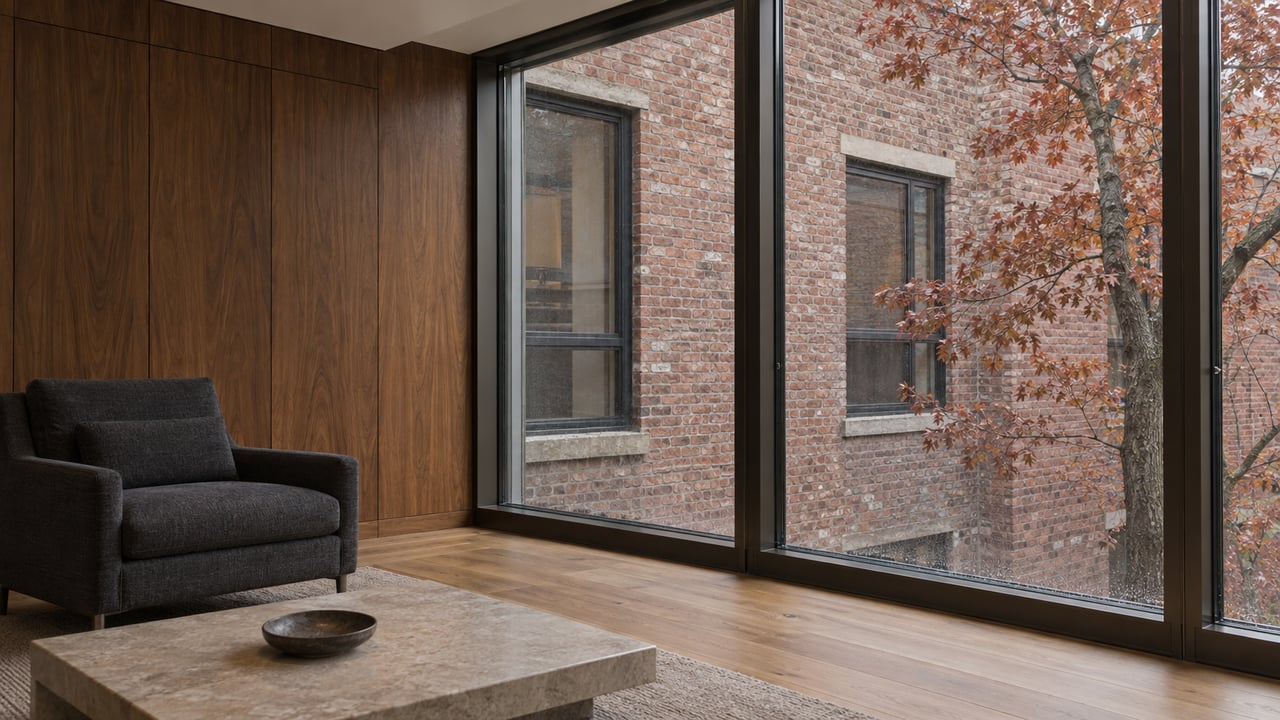
- Look at window size and placement in the rooms you'll spend the most time in, not just the primary bedroom.
- Find out whether any mountain or city views are protected long term or could be affected by future construction nearby.
- Consider how the light changes in winter versus summer, since Colorado's seasonal light shifts more than many buyers expect.
- Check for skylights or solar tubes in interior rooms that might otherwise stay dark all day.
What's Really Included in That Square Footage Number
This is the part of the checklist that surprises the most buyers. In the Denver market, listed square footage typically reflects above-grade finished space, and a finished basement is often counted separately or left out of that headline number.
- Confirm whether the listed square footage includes the basement, and if so, whether it's finished or partially finished.
- Ask which areas are officially counted as living space versus bonus space like a converted garage or unpermitted addition.
- Look at ceiling height in any basement space, since lower clearances can limit how that square footage actually functions.
- Request the county assessor's recorded square footage alongside the listing number, since the two can differ.
- Remember that a garage, covered patio, or unfinished storage area adds real value even when it isn't counted in the total.
Systems, Age, and Colorado-Specific Wear Items
Beyond layout and light, a handful of practical items tell you a lot about what you're walking into. These are the items I flag on nearly every showing.
- Check the age of the roof and whether it has been inspected or replaced after a hail event, since hail is a regular occurrence along the Front Range.
- Review the age of the furnace, air conditioning if present, and water heater, since replacement costs add up quickly.
- Find out whether the home has been tested for radon and whether a mitigation system is already installed, since elevated radon levels are common in this region.
- Look at the electrical panel and confirm whether it's been updated, especially in homes built before major system upgrades were standard.
- Ask about any known foundation work or drainage issues, since Colorado's soil conditions make this worth a direct question.
Storage, Outdoor Space, and Shared Costs
The last stretch of any home search often comes down to details that never show up in a listing description.
- Walk through closets and storage areas with your actual belongings in mind, not an empty space.
- Look at the yard's water needs and landscaping style, since xeriscaping and drought-tolerant design are increasingly common and worth understanding before you commit to upkeep.
- Ask what an HOA, if one applies, actually covers and what its monthly or annual dues include.
- Check parking realistically, including guest parking, if you entertain often.
- Find out about any planned assessments or upcoming shared-cost projects tied to the HOA.
Frequently Asked Questions
Why does the square footage on the listing sometimes not match what I see in person?
Listed square footage usually reflects above-grade finished space. A finished basement may be counted separately or left out of the headline number, so it's worth asking directly what's included.
Should I be concerned about radon in a Denver-area home?
Elevated radon levels are common throughout this region, so it's worth asking whether a home has been tested and whether a mitigation system is already in place, regardless of the home's age or price point.
How do I know if a roof has hail damage or needs replacement soon?
Ask for the roof's age and any documentation of past inspections or replacements, since hail is a regular event along the Front Range and affects both roof condition and insurance considerations.
What HOA questions should I ask before making an offer?
Ask what the dues cover, whether any special assessments are planned, and how reserves are funded. These details affect your monthly costs well beyond the mortgage payment.
Does natural light really affect a home's long-term appeal?
Yes. Orientation and window placement affect daily comfort and are often noticed by future buyers too, which makes light exposure worth weighing during your own search.
Work With a Denver Agent Who Looks Beyond the Listing
The strongest home searches go well past the square footage number, into layout, light, systems, and the details a listing sheet leaves out. I walk every client through each of these before an offer, so the home they choose holds up once they're living in it. If you're ready to search with that kind of eye, you can see my current listings and learn more about how I work at
annedresser.com.