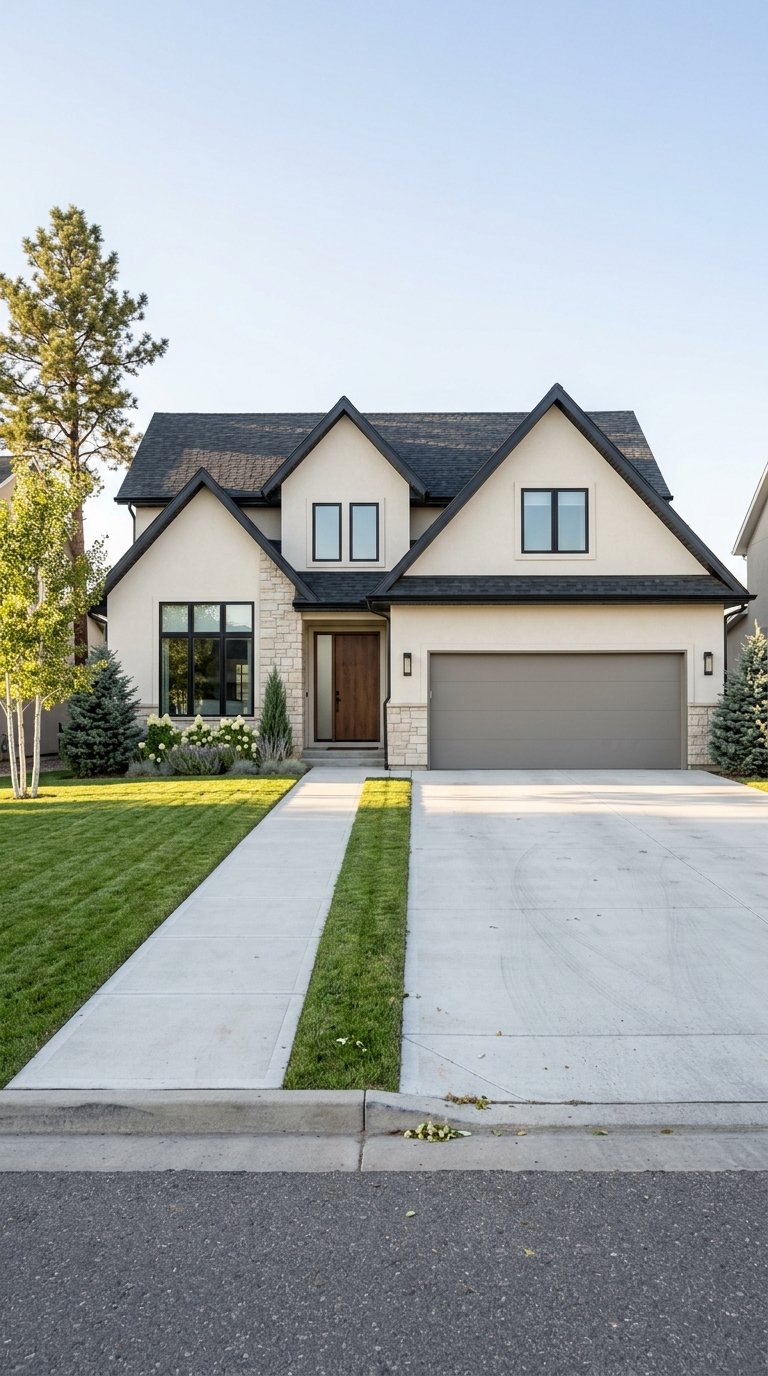
What It’s Like To Live In Broomfield
May 14, 2026
May 14, 2026
May 14, 2026
Wondering whether Broomfield feels more like a commuter hub, an outdoor city, or a suburban place to put down roots? The answer is a bit of all three, which is part of its appeal. If you are considering a move here, it helps to understand how daily life really works, from housing and commute patterns to trails, shopping, and neighborhood feel. Let’s dive in.
Broomfield is both a city and a county, with about 78,000 residents across 34 square miles. It sits at 5,344 feet and is known for balancing residential areas, commercial development, parks, and natural open space. That mix gives you a community that feels established, active, and convenient.
It also has strong resident satisfaction. In the city’s 2021 community survey, 95% of respondents rated Broomfield as an excellent or good place to live. If you are relocating and want a place with broad appeal and a solid reputation for livability, that is a meaningful signal.
One of the biggest draws of living in Broomfield is how easy it is to build an everyday routine around convenience and outdoor access. You can run errands, meet friends, use recreation facilities, and get out on a trail without needing to go far. That balance is a major reason many buyers put Broomfield on their shortlist.
The city identifies several daily-life hubs, including FlatIron Crossing and a growing group of mixed-use areas. Broomfield is also planning for future gathering places such as Baseline Center Street, Broomfield Town Square, and the Urban Transit Village Redevelopment. Over time, those projects are intended to expand shopping, dining, and social options.
If you value time outside, Broomfield offers a lot to work with. The city lists 63 parks, more than 281 miles of trails, more than 700 acres of developed parks, and 45 playgrounds. Its open-lands inventory totaled 8,699 acres and 396 miles of trails, paths, and lanes as of March 2026.
That means outdoor access is not just a bonus feature here. It is built into daily life. Whether you like walking paths, bike rides, playground stops, or open-space views, Broomfield gives you many ways to get outside close to home.
Beyond parks and trails, Broomfield has several well-known recreation facilities. The city lists Paul Derda Recreation Center, Bay Aquatic Park, the Broomfield Community Center, and Broomfield County Commons among its community amenities. For many residents, that adds flexibility for fitness, family activities, and weekend plans.
FlatIron Crossing remains Broomfield’s main retail destination. The city says redevelopment there will add new dining, retail, entertainment, housing, office, hotel, and public park space. That ongoing evolution matters if you want a suburb that continues to invest in its central destinations.
In practical terms, Broomfield offers a mix of established shopping and future growth. You are not looking at a static community. You are looking at one that is actively shaping new places for residents to gather, spend time, and enjoy a more connected local experience.
Broomfield often appeals to people who want access to both Denver and Boulder. Its location along the U.S. 36 corridor makes that one of the city’s biggest advantages. If your work, family, or social life stretches across the metro area, that midpoint can be very useful.
Census data put Broomfield’s mean commute time at 25.5 minutes. That suggests a fairly typical suburban commute, not an unusually long one. Of course, your actual drive time will depend on where you live, where you work, and when you travel.
Broomfield’s transportation planning focuses on a multimodal network that supports walking, biking, driving, carpooling, bus, rail, and freight. That broad approach reflects how residents use the city for work, school, medical visits, shopping, and social activities.
For transit users, the RTD Flatiron Flyer is an important option. It is an 18-mile bus rapid transit line connecting downtown Denver and Boulder through Westminster, Broomfield, Superior, and Louisville, with a stop at Broomfield Station. If you want flexibility beyond driving, that is a meaningful feature.
This is not only a place where people sleep and commute elsewhere. The city says more than 40,000 employees work in over a thousand businesses and organizations in Broomfield. That gives the community a more balanced feel, with jobs, services, and residential life all playing a role.
Broomfield’s housing stock is still primarily single-family, but the mix has broadened over time. According to the city’s 2023 housing needs assessment, 63% of housing stock is detached single-family. Apartments and condos with 5 to 49 units make up 16%, and apartments with 50 or more units make up 12%.
That variety can be helpful if you are at a transition point. You may be looking for a larger detached home, a lower-maintenance option, or a rental while you learn the area. Broomfield offers more than one path, even though single-family homes still define much of the market.
Housing costs in Broomfield are significant, and it is smart to go in with clear expectations. Current census data show a median owner value of $664,500, a median gross rent of $2,126, and a median monthly owner cost with a mortgage of $2,597. The owner-occupied rate is 62.7%.
For many buyers and renters, affordability will be one of the first practical questions to answer. If Broomfield is on your list, it helps to compare your budget with your space needs, commute goals, and preferred lifestyle. That is especially important if you are relocating from a market with very different pricing.
Broomfield tends to appeal to people who want a suburban setting with strong trail access, everyday convenience, and a location between Denver and Boulder. That is a practical fit for many relocation buyers, dual-income households, and anyone trying to stay connected to more than one part of the metro area.
The city also has a professional profile. Census data show a median household income of $123,874, and 60.3% of adults age 25 and older hold a bachelor’s degree or higher. Those numbers help explain why Broomfield often feels attractive to professionals and relocation-minded households.
If school assignment is part of your home search, Broomfield requires extra attention. The city is served by multiple school districts, including Boulder Valley, Adams 12 Five Star, Weld County, Jefferson County, Brighton, and St. Vrain. Boundaries can vary by neighborhood and subdivision.
That means you should confirm district and attendance information for any specific address you are considering. Two homes in the same city can have different district alignments, so this is not an area where assumptions help.
So what is it like to live in Broomfield? In many ways, it feels like a well-positioned suburb with real daily convenience, substantial outdoor access, and a growing mix of places to shop, gather, and spend time. It offers the practicality many buyers want, while still feeling connected to the broader Denver and Boulder region.
At the same time, it is important to weigh cost, housing type, and location within the city carefully. Broomfield can be a strong fit, but the right fit depends on your budget, commute needs, and the kind of lifestyle you want day to day. If you are comparing Broomfield with other Denver-area communities, a local, detailed view can make the decision much easier.
If you are thinking about a move to Broomfield or comparing it with other Denver-area communities, Anne Dresser Kocur can help you evaluate neighborhoods, commute patterns, and housing options with clear, personalized guidance.

Where to Play Near Home, From Championship Private Clubs to a Historic Public Course.
A Practical Guide to Presenting Your Property at Its Best, From The Preserve to Polo Reserve.

Where I Send Clients for Fine Dining, Elegant Shopping, and Fresh Air Near Belleview Station.

A Denver Agent's Checklist for What Actually Matters When You Walk Through a Home.
Whether you're thinking about buying, selling, relocating, or simply want to understand today's market, Anne would love to hear from you.